

How to Design the Perfect Garden Room Gym: A Complete Home Fitness Guide
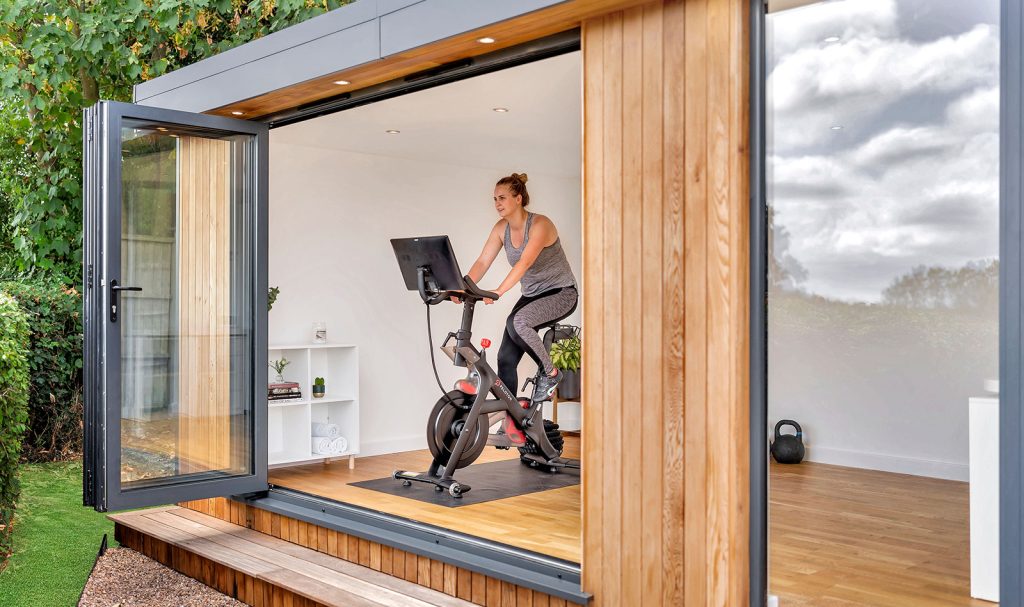
Transform your backyard into a luxury fitness sanctuary with a dedicated garden room gym – where convenience meets motivation right outside your door Understanding the Benefits of a Garden Room Gym Converting your garden space into a private fitness sanctuary offers numerous advantages that go beyond traditional home or commercial gyms. A garden room gym represents a perfect blend of convenience and dedicated workout space, allowing you to create the ideal environment for achieving your fitness goals. With the rising trend of home fitness solutions, garden room gyms have seen a remarkable 85% increase in popularity since 2020. Privacy and Convenience A garden room gym offers unparalleled privacy for your workout sessions. No more queuing for equipment or feeling self-conscious at public gyms. Research shows that 73% of people feel more confident exercising in private spaces, leading to more consistent workout routines and better results. Separation from Home Life Having your gym separate from your main living space creates a vital psychological boundary between home and fitness activities. This physical separation helps maintain focus and motivation, with studies indicating that 89% of people report better workout consistency when exercising in a dedicated space. Year-Round Fitness Solution Modern garden rooms provide excellent insulation and climate control, ensuring comfortable workouts regardless of weather conditions. This year-round accessibility eliminates weather-related excuses and helps maintain consistent fitness routines. Planning Your Garden Gym Space Successful garden gym design begins with careful planning and consideration of various factors. The initial planning phase is crucial for creating a space that meets your fitness needs while complying with local regulations. Choosing the Right Size Consider allowing 15-20 square metres for a comprehensive home gym setup Factor in ceiling height of at least 2.5 metres for overhead exercises Include additional space for future equipment expansion Plan for storage areas and recovery zones Optimal Location Selection Choose a level ground area with good drainage Consider natural light exposure and garden views Ensure adequate distance from boundaries and neighbours Account for easy access from your home Building Regulations and Permissions Most garden rooms fall under permitted development rights, but it’s essential to verify local requirements. Key considerations include building height (typically limited to 2.5m), distance from boundaries, and intended use. Always consult local planning authorities before beginning construction. Essential Design Considerations The success of your garden gym largely depends on thoughtful design choices that create an optimal workout environment. Each element should contribute to both functionality and motivation. Flooring Solutions Heavy-duty rubber flooring for weight areas Shock-absorbing surfaces for high-impact zones Anti-slip matting for safety Durable laminate for cardio equipment areas Climate Control Systems Maintaining optimal temperature is crucial for comfortable workouts. Install efficient heating and cooling systems, with smart climate control for automatic temperature regulation. Consider underfloor heating for winter comfort. Ventilation Requirements Proper airflow is essential for a healthy workout environment. Install multiple ventilation points, including windows and mechanical systems, to ensure adequate air circulation during intense workouts. Mirror Placement and Lighting Full-length mirrors on key walls for form checking LED lighting with different brightness settings Natural light through strategically placed windows Task lighting for specific workout zones Creating the Perfect Layout An effective gym layout maximises space utilisation while ensuring safe and efficient workouts. Consider traffic flow and exercise patterns when positioning equipment. Equipment Zones Cardio area with space for movement Strength training zone with proper spacing Functional fitness area for bodyweight exercises Stretching and yoga space Storage Solutions Implement smart storage solutions to keep your gym organised and clutter-free. Wall-mounted racks, mobile storage units, and built-in cabinets help maximise floor space for workouts. Recovery Areas Include a dedicated recovery zone with space for stretching, foam rolling, and cool-down exercises. Consider adding a small seating area for rest between sets. Technical Requirements Modern gym facilities require careful consideration of technical specifications to ensure safe and effective operation. Electrical Planning Multiple power points for equipment Dedicated circuits for high-power machines Emergency shut-off switches USB charging points for devices Internet Connectivity Strong WiFi coverage enables smart equipment connectivity and access to online workout resources. Consider installing a dedicated router or signal booster. Security Features Smart locks with remote access Motion-sensor lighting CCTV coverage Alarm system integration Equipment Selection and Organization Choose equipment that aligns with your fitness goals while maximising space efficiency. Research shows that 65% of home gym users prefer multi-functional equipment for space optimization. Essential Fitness Equipment Multi-functional power rack Adjustable bench Free weights and kettlebells Cardio equipment suited to goals Resistance bands and accessories Space-Saving Solutions Invest in foldable or wall-mounted equipment where possible. Consider modular systems that can be reconfigured as needed. Future Expansion Considerations Plan for potential equipment additions by leaving appropriate space and power supply options for future upgrades. Finishing Touches The final details can significantly impact motivation and workout enjoyment. Create an inspiring environment that encourages regular use. Aesthetics and Motivation Motivational wall graphics Branded colour schemes Indoor plants for improved air quality Personal achievement board Entertainment Systems Install a comprehensive audio-visual system including mounted TVs, quality speakers, and device connectivity options for enhanced workout experiences. Personal Touches Add elements that reflect your personality and fitness journey, creating a space that truly feels like your own. Maintenance and Upkeep Regular maintenance ensures your garden gym remains safe and effective for years to come. Regular Cleaning Routines Daily equipment wipedown Weekly deep cleaning Monthly maintenance checks Quarterly deep cleaning of flooring Equipment Maintenance Establish a regular maintenance schedule for all equipment, including lubrication, tightening of components, and safety checks. Climate Control Checks Regularly inspect and service climate control systems to maintain optimal workout conditions throughout the year. Making the Most of Your Investment Maximise the value of your garden gym through regular use and potential income generation. Creating Workout Schedules Develop structured workout plans that make full use of your equipment and space. Consider working with a personal trainer to optimise your routine. Maximizing Usage Encourage family members to use the space and consider sharing with friends to maintain motivation and accountability. Additional
How to Design the Perfect Garden Room Gym: A Complete Home Fitness Guide Read More »