

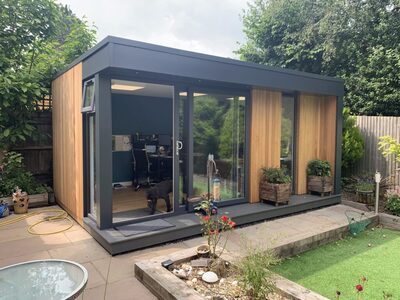
Building a garden room involves more decisions than most people expect. Beyond choosing the size, style, and finish, there are technical questions about electrical supply, heating, ventilation, and plumbing that affect how well the space functions. Getting these details right from the start saves money and frustration later.
This article explains why having your garden room design professionally reviewed makes sense, particularly for larger or more complex projects.
More Than Just a Shed
Garden rooms have evolved far beyond simple timber structures. Today’s buildings serve as home offices, gyms, music studios, guest accommodation, and therapy rooms. Some include bathrooms, kitchenettes, or specialist equipment that demands reliable power and climate control.
These sophisticated uses require sophisticated building services. A garden office needs enough electrical capacity for computers, monitors, printers, and lighting. A home gym might require dedicated ventilation to handle moisture and heat. A music studio demands acoustic treatment and possibly soundproofing.
The more complex your intended use, the more important it becomes to get the technical design right. Problems discovered after construction can be expensive and disruptive to fix.
What Can Go Wrong
Stories of garden room disappointments often share common themes. Electrical supplies that trip when too many devices run simultaneously. Heating systems that cannot maintain comfortable temperatures in winter. Condensation problems caused by inadequate ventilation. Plumbing that freezes in cold weather.
These issues typically stem from inadequate planning rather than poor construction. The builder follows the specification provided, but that specification did not account for how the space would actually be used.
Consider a garden room intended as a hairdressing salon. It needs multiple electrical circuits for hairdryers, straighteners, and other equipment. It needs hot water and drainage. It needs ventilation to remove chemical fumes and moisture. It needs heating that works even when the door opens frequently for clients.
A standard garden room specification would not include these requirements. Without proper planning, the finished building might look perfect but prove impractical for its intended purpose.
Understanding Building Services
Building services is the industry term for the systems that make buildings functional. This includes electrical installations, heating and cooling, ventilation, plumbing, and increasingly, data and communication networks.
In commercial construction, specialist consultants design these systems to ensure they work effectively and meet regulations. They calculate heating loads, size electrical supplies, specify ventilation rates, and coordinate how different services fit within the building.
Domestic projects, including garden rooms, often skip this step. Owners assume that electricians and plumbers will sort out the details on site. Sometimes this works fine. For simple garden rooms with basic requirements, experienced tradespeople can deliver perfectly adequate results.
But for larger or more complex projects, the lack of upfront design creates risk. Tradespeople make assumptions about requirements that may not match reality. Coordination problems emerge when electrical and plumbing runs compete for the same spaces. Equipment gets specified based on availability rather than suitability.
When Professional Review Helps
Having an mep audit of your garden room design provides independent verification that the mechanical, electrical, and plumbing systems will meet your needs. This review examines the proposed specifications, identifies potential problems, and suggests improvements.
Professional review makes particular sense for garden rooms that include bathrooms or kitchenettes. Water supply, drainage, and hot water systems all need proper sizing. Inadequate pipe diameters cause poor water pressure. Undersized drains block easily. Wrongly positioned water heaters waste energy and deliver lukewarm results.
Heating system review ensures your garden room stays comfortable year round. Professionals calculate heat loss based on insulation levels, glazing areas, and expected usage patterns. They can identify whether the proposed heating will cope with the coldest days or leave you shivering in January.
Electrical review checks that supply capacity matches demand. Modern electronics draw less power than older equipment, but multiple devices still add up. A professional review ensures adequate circuits, properly rated cables, and safe installation throughout.
The Review Process
A design review typically starts with examining the architectural drawings and any existing services specifications. The reviewer assesses whether the proposed systems suit the intended use and comply with relevant regulations.
They produce a report identifying any concerns and recommending changes. This might include specifying larger cables, additional circuits, different heating equipment, or improved ventilation arrangements.
The report gives you documented evidence that your design has been professionally checked. This provides confidence that the finished building will perform as expected. It also helps when discussing requirements with builders and tradespeople, who can see exactly what standards the installation should meet.
For more complex projects, the reviewer might produce detailed specifications and drawings showing exactly how services should be installed. This removes ambiguity and ensures everyone understands what is required.
Regulations and Compliance
Garden rooms must comply with building regulations, including rules about electrical safety, drainage, and structural stability. While many garden rooms fall under permitted development and do not need planning permission, building regulations still apply to certain elements.
Electrical work must meet Part P of the building regulations. This typically requires either using a registered electrician who can self certify their work, or arranging building control inspection.
Drainage connections require approval from your water company. Plumbing must meet water supply regulations to prevent contamination and ensure safe operation.
A professional review checks that proposed designs meet these requirements. This avoids problems during construction when building control inspectors or utility companies raise objections.
Cost Considerations
Professional design review adds cost to a garden room project. For a simple garden office with basic electrical requirements, this expense may not be justified. An experienced electrical contractor can handle straightforward installations without external review.
However, the cost of review is small compared to the expense of fixing problems after construction. Upgrading an electrical supply that proves inadequate might mean excavating new cable routes and installing larger consumer units. Adding ventilation where none was planned could require cutting holes through completed walls and ceilings.
For projects where services represent a significant portion of the total cost, professional review represents sensible risk management. The small upfront investment protects against much larger remedial costs.
Working with Your Garden Room Supplier
Many garden room companies offer design and build packages that include services installation. Their experience with similar projects means they understand common requirements and typical solutions.
However, your specific needs might differ from their standard offerings. Professional review provides independent verification that the proposed specification suits your particular situation.
Share the review findings with your supplier. A good company welcomes professional input and will adjust their proposals accordingly. If a supplier resists external review or dismisses professional recommendations, consider whether they deserve your business.
Questions to Ask
Before committing to a garden room project, clarify how building services will be designed and specified. Ask your supplier what experience they have with similar installations. Request references from previous clients with comparable requirements.
Find out who will carry out electrical and plumbing work, and what qualifications they hold. Understand what testing and certification will be provided on completion. Clarify warranty arrangements for building services as well as the structure itself.
If you have complex requirements, consider engaging a building services consultant early in the process. Their input during design development costs less and achieves more than review after designs are finalised.
Conclusion
Garden rooms offer wonderful opportunities to create additional living space. Getting the most from these buildings requires attention to technical details that are easy to overlook.
Professional design review ensures that building services match your intended use. It identifies potential problems before construction begins, when changes are easy and inexpensive. It provides confidence that your finished garden room will deliver the comfort, functionality, and reliability you expect.
For simple projects, such review may be unnecessary. But for larger garden rooms with bathrooms, specialist equipment, or demanding heating and cooling requirements, professional input represents a worthwhile investment in getting things right first time.