
Best Garden Room

admin

modern lean to garden room

How Much Does a Lean To Garden Room Actually Cost in 2024?

Considering a lean to garden room but worried about budget? Get a clear picture of real costs, materials, and essential factors before making your investment. Understanding Lean To Garden Rooms: The Basics A lean-to garden room is a versatile structure that attaches to an existing building, typically your house or garage, creating additional living space at a fraction of the cost of traditional extensions. These structures have gained significant popularity in recent years, with installations increasing by 35% in 2023 according to industry data. The fundamental design features a single-pitched roof that ‘leans’ against the main building, offering a practical and aesthetically pleasing solution for maximising outdoor space. The appeal lies in their simplicity and functionality. Unlike standalone garden rooms, lean-to structures benefit from the existing wall’s support, reducing material and labour costs. They’re particularly popular in the UK due to their ability to provide shelter from our unpredictable weather while maintaining a connection to the garden. Average Cost Breakdown for 2024 Current market analysis shows that lean-to garden room costs in 2024 vary significantly based on size and specification. Basic installations typically range from £5,000 to £15,000, while premium designs can reach £20,000 to £30,000. Here’s a detailed breakdown of average costs: Small lean-to (2m x 2m): £5,000 – £8,000 Medium lean-to (3m x 2.5m): £8,000 – £12,000 Large lean-to (4m x 3m): £12,000 – £18,000 Premium designs with luxury finishes: £20,000+ Key Cost Factors to Consider Several crucial elements influence the final cost of your lean-to garden room extension. Understanding these factors helps in budgeting effectively and avoiding unexpected expenses: Size and dimensions: Larger structures naturally require more materials and labour Foundation type: Options range from simple concrete bases (£1,000-£2,000) to complex foundations (£3,000+) Material quality: Choose between standard uPVC (most affordable), aluminium (mid-range), or hardwood (premium) Glazing options: Double or triple glazing affects both cost and energy efficiency Location factors: Site accessibility and ground conditions can impact installation costs Design complexity: Additional features like bi-fold doors or skylights increase expenses Cost Comparison: DIY vs Professional Installation DIY installation can potentially save 40-50% on total costs, but requires significant skill and time investment. A professional installation typically costs between £200-£300 per square metre for labour alone. Consider these aspects when deciding between DIY and professional routes: Professional Installation Benefits: Guaranteed workmanship and warranties Faster completion (typically 1-2 weeks) Proper handling of building regulations Professional-grade tools and expertise DIY Considerations: Material costs typically £3,000-£8,000 Required tools and equipment rental Extended project timeline (often 3-4 weeks) Potential for costly mistakes Material Costs and Quality Options Material selection significantly impacts both cost and longevity. Current market prices show: Framework: Timber (£30-£50/m²), Aluminium (£80-£120/m²) Cladding: uPVC (£25-£35/m²), Cedar (£45-£65/m²) Roofing: Polycarbonate (£20-£30/m²), Glass (£150-£200/m²) Flooring: Laminate (£20-£30/m²), Engineered wood (£40-£60/m²) Windows: uPVC (£300-£500 each), Aluminium (£500-£800 each) Additional Expenses to Budget For Beyond basic construction costs, several additional expenses need consideration. Recent industry data suggests setting aside 15-20% of your total budget for these extras: Essential additions include: Electrical installation: £500-£1,500 Heating solutions: £300-£800 Insulation: £200-£500 Interior finishing: £500-£2,000 Security features: £200-£600 Lighting: £150-£500 Planning Permission and Building Regulations While lean-to garden rooms often fall under permitted development rights, there are instances where planning permission is required. Current costs include: Planning permission application: £206 Building regulations approval: £300-£500 Architectural drawings: £500-£1,000 Survey costs: £200-£400 Financing Options and ROI Investment in a lean-to garden room typically adds 5-10% to property value. Financing options include: Personal loans: 3-7% APR for good credit scores Home improvement loans: 4-8% APR Remortgaging: Potentially lower rates but longer-term commitment 0% credit cards: Useful for smaller projects Making the Right Choice for Your Budget When finalising your lean-to garden room project, consider these budget-based recommendations: Entry-level budget (£5,000-£8,000): Focus on essential features Consider DIY installation Choose standard materials Minimise optional extras Mid-range budget (£8,000-£15,000): Upgrade to better materials Include professional installation Add basic heating and electrical Choose quality windows and doors Premium budget (£15,000+): Opt for high-end materials Include luxury features Install advanced climate control Add custom design elements Remember that investing in quality materials and professional installation often proves more cost-effective long-term, despite higher initial costs. Regular maintenance can extend the life of your lean-to garden room and protect your investment. FAQ Do garden rooms need a concrete base? While a concrete base offers stability and durability, it might not always be necessary. Concrete bases are not the greenest of choices and are a more expensive choice. Other options include concrete piles, ground screws and concrete pads. Are plastic shed bases any good? The benefits of choosing a plastic base are numerous. Not only is a plastic gravel base lightweight and cost-effective, but it also offers superior drainage efficiency, ensuring that your shed remains dry and damage-free. What is the cheapest base for a garden room? A concrete base is the most permanent and durable base for a garden building but a paving slab base is cheaper and more popular. Sources [1] https://gardensgalorescotland.co.uk/help-and-advice/how-to-construct-a-sheltered-lean-to/ [2] https://www.cs-gardenoffices.co.uk/lean-to [3] https://www.youtube.com/watch?v=0YTnPUx_G4k

How Much Does a Lean To Garden Room Actually Cost in 2024? Read More »

luxurious l shaped garden room corner

How to Design the Perfect L Shaped Garden Room: The Complete Homeowner’s Guide

Transform your outdoor space into a versatile haven with an L shaped garden room that maximizes both style and functionality – discover the expert secrets to getting it right. Understanding L Shaped Garden Rooms L shaped garden rooms represent a revolutionary approach to outdoor living spaces, combining architectural innovation with practical functionality. These distinctive structures, characterised by their two wings forming a 90-degree angle, have seen a remarkable 35% increase in popularity among UK homeowners since 2022. The unique configuration offers unparalleled versatility, effectively creating two distinct spaces while maintaining a cohesive design. Unlike traditional garden rooms, L shaped designs make excellent use of corner plots and awkward spaces, transforming them into valuable living areas. The design’s inherent flexibility allows for natural zoning, making it ideal for those seeking to incorporate multiple functions within a single structure. Planning Your L Shaped Layout Successful L shaped garden room design begins with thoughtful layout planning. The key lies in understanding how to maximize the unique advantages of the L configuration while addressing potential challenges. Consider the following essential factors: Orientation: Position the structure to maximize natural light and views while maintaining privacy Proportions: Aim for balanced wing lengths – typically a ratio of 60:40 works well Access points: Plan multiple entry points to ensure smooth flow between zones Garden integration: Consider how the structure will interact with existing landscaping Future flexibility: Design spaces that can adapt to changing needs over time Designing for Natural Light Optimizing natural light is crucial in L shaped garden rooms, particularly at the junction where the two wings meet. Recent architectural studies show that strategic glazing can increase natural light levels by up to 40%. Consider incorporating floor-to-ceiling windows, skylights, and sliding glass doors to create bright, welcoming spaces. Position larger windows on south-facing walls where possible, while using smaller, strategically placed windows on north-facing aspects. The corner junction presents an excellent opportunity for a dramatic glazed feature, creating a stunning focal point while flooding both wings with natural light. Creating Distinct Zones One of the primary advantages of L shaped garden rooms is the natural separation of space into distinct functional areas. The key is to maintain a sense of flow while clearly defining different zones: Use furniture arrangement to create natural boundaries Implement different flooring materials or patterns to delineate spaces Install partial walls or sliding partitions for flexible separation Consider ceiling height variations to define different areas Incorporate built-in features that support specific functions Material Selection and Construction Choosing appropriate materials is crucial for both aesthetics and longevity. Contemporary L shaped garden rooms typically incorporate a mix of traditional and modern materials. Western Red Cedar and treated softwood remain popular choices for exterior cladding, offering natural beauty and durability. Aluminium frames for windows and doors provide slim sightlines and excellent weather resistance. For construction, engineered timber frames offer superior stability and thermal performance. Consider sustainable options like recycled composite materials, which have seen a 25% increase in usage over the past year. Optimizing the Corner Junction The corner junction represents both a challenge and an opportunity in L shaped garden room design. This crucial area requires careful consideration to ensure structural integrity while maximizing its potential: Install corner glazing to create a seamless transition between wings Consider a chamfered or curved corner for a softer aesthetic Incorporate built-in storage or seating to utilize awkward angles Use structural posts as design features rather than hiding them Climate Control and Insulation Maintaining comfortable temperatures year-round requires comprehensive climate control solutions. Modern L shaped garden rooms should achieve a minimum U-value of 0.28 W/m²K for optimal thermal efficiency. Implement a multi-layered approach to insulation, incorporating high-performance materials in walls, floors, and ceilings. Smart climate control systems can reduce energy consumption by up to 30% when compared to traditional heating and cooling methods. Consider underfloor heating for consistent warmth and air conditioning units strategically placed to serve both wings effectively. Storage Solutions and Space Efficiency Maximizing space efficiency in an L shaped garden room requires innovative storage solutions. Consider these practical approaches: Built-in cabinets along interior walls Under-window storage benches Vertical storage systems for maximum space utilization Multi-functional furniture with hidden storage Corner units designed specifically for the junction point Design Features and Finishing Touches The finishing touches can transform a good L shaped garden room into an exceptional one. Focus on creating a cohesive design that flows naturally between both wings while maintaining distinct character in each zone. Consider incorporating biophilic design elements to connect with the garden setting, using natural materials and plenty of plants. Recent trends show that 70% of garden room owners prefer a mix of contemporary and traditional finishing elements. Pay particular attention to lighting design, using a combination of task, ambient, and accent lighting to create atmosphere and functionality. Professional Installation and Planning Permission While L shaped garden rooms often fall within permitted development rights, their unique configuration requires careful consideration of planning regulations. Approximately 85% of L shaped garden rooms can be installed without full planning permission, but it’s essential to check local authority guidelines, particularly regarding height restrictions and proximity to boundaries. Professional installation is crucial for ensuring structural integrity and proper integration of services. Choose a contractor with specific experience in L shaped designs and request references for similar projects. Making Your Investment Count An L shaped garden room represents a significant investment in your property, with potential returns of up to 1.5 times the initial cost when professionally designed and installed. Focus on quality materials and construction to ensure longevity and maintain value. Consider future-proofing your design by incorporating flexible spaces that can adapt to changing needs. Regular maintenance and updates to technology and insulation will help preserve both functionality and value. Remember that the unique design of an L shaped garden room can add significant appeal to potential buyers, making it a worthwhile investment in your property’s future. FAQ Do you need to dig foundations for a garden room? In almost every garden room build you

How to Design the Perfect L Shaped Garden Room: The Complete Homeowner’s Guide Read More »

garden room kit assembly demonstration

How Do Garden Room Kits Compare to Custom Builds? A Complete Buyer’s Guide

Discover whether a garden room kit could save you thousands while still delivering your dream outdoor space – we reveal the crucial facts you need to know before making your decision. Understanding Garden Room Kits: The Basics Garden room kits represent a revolutionary approach to creating additional living space in your garden. These pre-fabricated structures typically arrive as flat-packed components, engineered for straightforward assembly. At their core, most garden room kits utilize Structural Insulated Panels (SIPs), which combine insulation and structural elements into single, efficient components. Modern kits can typically be assembled in 1-3 days by two people, offering a significant time advantage over traditional builds. A standard garden room kit package usually includes: Pre-cut SIPs panels for walls, floor, and roof External cladding materials Door and window units Internal wall finishes Fixings and fasteners Detailed assembly instructions Technical support during installation The Appeal of Garden Room Kits The rising popularity of garden rooms stems from several compelling advantages. Research shows that homeowners can save between 20-35% compared to custom builds, making them an increasingly attractive option. The standardized manufacturing process ensures consistent quality, while pre-cut components eliminate waste and reduce construction time dramatically. Cost-effective solution with transparent pricing Quick assembly timeframes (typically 1-3 days) Reduced labour costs through DIY installation Minimal disruption to your property Standardized quality control in factory conditions Lower carbon footprint due to efficient manufacturing Custom Garden Room Builds: The Traditional Approach Bespoke garden rooms offer unparalleled flexibility in design and specification. These traditionally constructed buildings are built from scratch on-site by professional teams, allowing for complete customization of every aspect. While this approach typically costs more and takes longer, it provides the opportunity to create truly unique spaces that perfectly match your property and requirements. Key benefits of custom builds include: Complete design freedom Ability to accommodate irregular spaces or slopes Professional installation included Extensive material and finish options Tailored solutions for complex requirements Cost Comparison: Kits vs Custom Builds Understanding the financial implications of both options is crucial for making an informed decision. Current market analysis shows that garden room kits typically range from £8,000 to £25,000, while custom builds can range from £15,000 to £50,000 or more. However, these figures can vary significantly based on size, specification, and location. Cost breakdown for typical 4x3m garden room: Kit solution: £12,000-£15,000 (including DIY installation) Custom build: £18,000-£25,000 (professionally installed) Additional costs to consider for kits: Foundation work (if not included): £1,000-£2,000 Electrical installation: £500-£1,500 Professional assembly (if required): £2,000-£3,000 Installation and Assembly Considerations The installation process differs significantly between kits and custom builds. Kit assembly typically requires basic DIY skills and usually takes 2-3 people working 1-3 days. Most manufacturers provide comprehensive instructions and technical support. Custom builds, conversely, are handled entirely by professional teams over 2-3 weeks. Key installation factors for kits: Foundation preparation requirements Tool requirements and skill levels needed Access considerations for delivery Electrical and plumbing connections Local building regulations compliance Quality and Performance Analysis Both approaches can deliver excellent quality and performance when properly executed. Kit buildings using SIPs panels often achieve superior thermal efficiency, with U-values as low as 0.18 W/m²K. Custom builds can match or exceed these specifications but may require more complex construction methods. Performance comparison: Thermal efficiency: Both options can achieve excellent results Durability: 25+ years expected lifespan for both Weather resistance: Comparable performance Sound insulation: Custom builds can offer superior options Fire safety: Both meet building regulations when properly specified Making Your Decision: Key Factors to Consider Your choice between a kit or custom build should be based on several crucial factors: Budget constraints and available funds Timeline requirements DIY skills and availability Specific use requirements Site conditions and access Local planning restrictions Long-term property plans Conclusion: Which Option Is Right For You? Both garden room kits and custom builds offer viable paths to creating additional living space. Kits present an excellent option for those with budget constraints and basic DIY skills, offering potential savings of 20-35% and quick installation. Custom builds remain the premium choice for those seeking unique designs or requiring specific features not available in kit form. Consider your priorities carefully – if cost and speed are paramount, a quality kit from established manufacturers like Pent Haus or Future SIPS could be ideal. However, if unique design and professional installation are more important, a custom build might better serve your needs. Remember to factor in all costs, including foundations and electrical work, when making your final decision. FAQ Do garden rooms need a concrete base? While a concrete base offers stability and durability, it might not always be necessary. Concrete bases are not the greenest of choices and are a more expensive choice. Other options include concrete piles, ground screws and concrete pads. Are plastic shed bases any good? The benefits of choosing a plastic base are numerous. Not only is a plastic gravel base lightweight and cost-effective, but it also offers superior drainage efficiency, ensuring that your shed remains dry and damage-free. What is the cheapest base for a garden room? A concrete base is the most permanent and durable base for a garden building but a paving slab base is cheaper and more popular. Is it cheaper to buy or build a garden bed? DIY can be cheaper, but they can also be more time-consuming. You must account for the labor, tools, hardware, and maintenance of the beds. As a gardener who has had dozens of raised beds over the years, my plants perform equally well in my homemade and store-bought beds. Sources [1] https://www.futuresips.co.uk/product/diy-garden-room-kits/ [2] https://www.thegardenroomguide.co.uk/2024-guide-to-diy-garden-room-kits/2024/03/22/ [3] https://www.youtube.com/watch?v=5vbSlKwOxww

How Do Garden Room Kits Compare to Custom Builds? A Complete Buyer’s Guide Read More »

personalized luxury garden room design

How To Personalize Your Garden Room For Maximum Enjoyment: The Ultimate Guide

Transform your garden room into a unique sanctuary that perfectly reflects your style and needs with these expert personalization tips that go beyond the ordinary. Understanding Your Garden Room’s Potential A garden room represents far more than just an additional space – it’s a blank canvas awaiting your personal touch to transform it into something extraordinary. Recent studies show that 82% of UK homeowners who invest in garden rooms report significant improvements in their quality of life when the space is properly personalized. The key lies in recognising that your garden room can serve multiple purposes throughout its lifetime, adapting to your changing needs while maintaining its core appeal. From a serene home office to a vibrant entertainment hub, or a tranquil wellness retreat, the possibilities are limitless when approached with thoughtful planning and creative vision. Defining Your Garden Room’s Primary Purpose Before embarking on your personalization journey, it’s crucial to establish a clear primary purpose for your garden room. Research indicates that spaces with a well-defined purpose see 65% more regular use than those with ambiguous functions. Consider your immediate needs while keeping future adaptability in mind. Ask yourself these essential questions: What activities will you primarily use the space for? How many people will typically use the room at once? What times of day will the space see most use? What seasonal variations might affect your usage patterns? How might your needs evolve over the next 5-10 years? Essential Elements of Garden Room Personalization 1. Lighting Design and Natural Light Optimization Lighting plays a pivotal role in creating the perfect atmosphere in your garden room. Studies show that spaces with optimized natural light increase productivity by up to 40%. Consider these lighting elements: Strategically placed windows and skylights for maximum natural light Adjustable LED lighting systems with colour temperature control Task-specific lighting for different activities Motion sensors for energy efficiency Outdoor lighting to extend usability into evening hours 2. Climate Control and Comfort Features Maintaining comfortable temperatures year-round is essential for maximizing your garden room’s use. Modern climate control systems can reduce energy consumption by up to 30% while maintaining optimal comfort levels. Key considerations include: High-quality insulation materials Energy-efficient heating and cooling systems Smart thermostats for automated temperature control Double or triple glazing for improved thermal efficiency Natural ventilation options for fresh air circulation 3. Interior Design and Space Planning Effective space planning is crucial for creating a functional and aesthetically pleasing environment. Recent interior design trends show that multi-functional furniture solutions can increase usable space by up to 40%. Focus on creating zones that support your primary activities while maintaining flow and flexibility. Technology Integration for Modern Living In today’s connected world, incorporating smart technology can significantly enhance your garden room’s functionality. Recent data indicates that smart home features can increase property value by up to 5% while improving daily usability. Essential technology considerations include: High-speed internet connectivity Smart lighting and climate control systems Audio-visual equipment for entertainment or presentations Security systems with remote monitoring Automated window treatments and ventilation Personalizing Through Décor and Furnishings 1. Selecting the Right Furniture Furniture selection should strike a balance between functionality, comfort, and style. 75% of garden room owners cite furniture choice as crucial to their space’s success. Consider pieces that: Serve multiple purposes Can be easily rearranged Complement your intended use Reflect your personal style Withstand varying temperatures and humidity levels 2. Colour Schemes and Materials Your choice of colours and materials can significantly impact the room’s atmosphere and functionality. Research shows that carefully chosen colour schemes can improve mood and productivity by up to 15%. Consider durability, maintenance requirements, and how different materials interact with natural light. Indoor-Outdoor Connection Creating a seamless transition between your garden room and outdoor space can make the room feel larger and more connected to nature. 90% of garden room owners report increased satisfaction when their space successfully bridges indoor and outdoor living. Focus on: Large sliding or bi-fold doors Consistent flooring materials Strategic placement of plants Coordinated indoor-outdoor furniture Views and sight lines to garden features Storage Solutions and Organization Efficient storage is crucial for maintaining an organized and clutter-free environment. Custom storage solutions can increase usable space by up to 30% while maintaining aesthetic appeal. Consider built-in options that maximize vertical space and hidden storage opportunities. Acoustic Considerations Proper acoustic treatment can enhance your garden room’s functionality and comfort. Studies show that well-designed acoustic solutions can reduce ambient noise by up to 70%. Consider sound-absorbing materials, double glazing, and strategic furniture placement to create the ideal acoustic environment. Making It Your Own: Personal Touches Adding personal elements transforms your garden room from a functional space into a true reflection of your personality. 88% of users report higher satisfaction when incorporating meaningful personal items. Consider artwork, family photos, collections, and items that tell your story. Practical Considerations for Long-term Enjoyment 1. Maintenance and Durability Choosing materials and finishes that withstand time and use is crucial for long-term satisfaction. Regular maintenance can extend your garden room’s life by up to 25%. Focus on quality materials and establish a maintenance schedule. 2. Flexibility for Changing Needs Design your space with adaptability in mind, as needs often change over time. 65% of garden room owners modify their space’s purpose within 5 years. Include features that support multiple uses and easy reconfiguration. Maximizing Your Investment A well-personalized garden room can significantly increase your property’s value. Recent market analysis shows that professionally designed garden rooms can add up to 7-15% to property value. Focus on quality materials, professional installation, and timeless design elements. Final Thoughts: Creating Your Perfect Space Creating your ideal garden room is a journey of personal expression and practical consideration. By carefully considering each aspect of personalization while maintaining flexibility for future needs, you can create a space that not only serves your immediate requirements but continues to bring joy and value for years to come. Remember that successful personalization is an ongoing process – don’t be afraid to make adjustments as

How To Personalize Your Garden Room For Maximum Enjoyment: The Ultimate Guide Read More »

compact modern small garden room

How Much Space Do You Really Need for a Small Garden Room?

Discover the perfect dimensions for your small garden room – from cozy reading nooks to compact home offices, every square foot counts when maximizing your outdoor living potential. Small garden rooms have become increasingly popular in the UK, with recent studies showing a 47% increase in garden room installations since 2021. Whether you’re considering a compact home office or a cozy retreat, understanding space requirements is crucial for making informed decisions about your outdoor structure. Understanding Minimum Requirements Before diving into specific dimensions, it’s essential to understand the basic spatial requirements for a functional composite garden room. According to current UK building regulations, most small garden rooms under 2.5m in height can be built without planning permission, making them an attractive option for homeowners. The minimum practical size for a garden room typically starts at around 2.0m x 2.0m (6.5ft x 6.5ft), though requirements vary based on intended use: Home Office: Minimum 2.4m x 2.4m (8ft x 8ft) Reading/Relaxation Room: 2.0m x 2.0m (6.5ft x 6.5ft) Hobby Room: 2.5m x 2.5m (8.2ft x 8.2ft) Garden Studio: 3.0m x 2.4m (10ft x 8ft) Standard Small Garden Room Dimensions Popular small garden room sizes typically fall within specific ranges that balance functionality with space efficiency. Market research indicates that 80% of small garden rooms in the UK measure between 2.4m x 2.4m and 4m x 3m. These dimensions have proven optimal for various uses while maintaining a compact footprint. A standard small garden office might measure 3m x 2.4m, providing approximately 7.2 square metres of usable space – enough for a desk, chair, storage, and comfortable movement. Functional Space Planning Effective space planning is crucial in small garden rooms. The key is to maintain a balance between furniture, storage, and circulation space. Industry experts recommend following the 60-30-10 rule: 60% for primary function (desk, seating, or main activity area) 30% for circulation (movement space and access) 10% for storage and accessories For optimal functionality, ensure at least 70cm of circulation space around furniture and maintain clear pathways to doors and windows. Location and Access Considerations The position of your garden room significantly impacts its usability and required size. Consider these essential factors: Maintain a minimum of 1m clearance from boundaries for maintenance access Account for door swing space (typically 80cm-90cm) Consider window placement for natural light and ventilation Factor in pathway width (minimum 90cm recommended) Allow space for utilities connections if required Space-Saving Design Solutions Maximizing space in small garden rooms requires innovative design approaches. Recent design trends show that 65% of small garden room owners utilize multi-functional furniture and built-in solutions. Consider these space-optimizing features: Wall-mounted desks that fold away when not in use Built-in storage solutions and shelving Multi-purpose furniture (e.g., ottoman storage seating) Floor-to-ceiling windows to create illusion of space Sliding or bi-fold doors to maximize usable floor area Room for Growth When planning your garden room size, consider future adaptability. Statistics show that 40% of garden room owners wish they had allowed for more space initially. While maintaining a small footprint, consider these future-proofing strategies: Choose a slightly larger size if budget and space permit – the difference between a 2.4m and 2.8m width can be significant for long-term functionality. Consider modular designs that allow for future expansion, and plan electrical and data points with potential usage changes in mind. Making Your Final Decision To determine the ideal size for your small garden room, follow this practical decision-making framework: List all intended uses and their space requirements Measure available garden space, accounting for access and maintenance Calculate minimum space needed for furniture and circulation Add 20% to your calculated space requirements for comfort Consider budget constraints and building regulations Remember that the perfect size balances your immediate needs with future flexibility. Industry experts recommend adding an extra 0.5m to your initial width and length calculations to ensure comfortable long-term use. With careful planning and consideration of these factors, you can create a small garden room that maximizes both space and functionality while enhancing your property’s value and versatility. FAQ Can I have a shower in a garden room? Yes, you can put a toilet and shower in a garden room so long as you have running water and electricity connected to your outdoor building. You must also ensure you install the correct drainage system for waste water. Does a garden room need ventilation? Yes. Like any enclosed structure, garden rooms need ventilation. This is to prevent moisture and mould, and the build-up of harmful air pollutants, while enhancing overall air quality, and temperature control. In short, in order for a structure to be healthy, it needs to be able to breathe. Can you put a bedroom in a garden room? You can sleep in your garden room as long as it’s for incidental use and it’s not set up as a bedroom – for which you would need both planning permission and Building Regulations approval. That means your guests can enjoy a one-off overnight stay on a sofa bed, and you can fall asleep when lounging around. Can a garden room have a toilet? Adding a garden room with a toilet can significantly enhance the value of your property. A well-designed garden room not only provides additional functional space that can be used for various purposes, but also increases the overall square footage of your property’s living space. Do garden rooms add value? A garden room can add value to your property – worth doing whether you’re thinking of selling or not. Plus it’s one of the simpler ways to make your property more desirable. The construction of a garden room is usually simpler than an extension, a loft conversion or knocking down interior walls. Sources [1] https://www.gardendesign.com/landscape-design/garden-rooms.html [2] https://www.autonomous.ai/ourblog/9-small-garden-office-ideas [3] https://www.youtube.com/watch?v=0YTnPUx_G4k

How Much Space Do You Really Need for a Small Garden Room? Read More »

modern garden room gym equipment

How to Design the Perfect Garden Room Gym: A Complete Home Fitness Guide

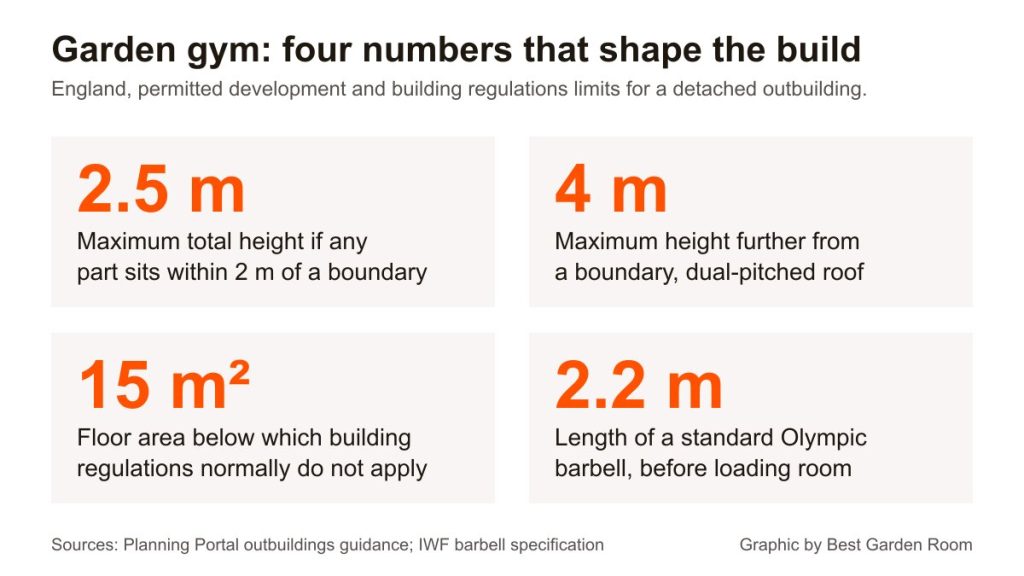
Transform your backyard into a luxury fitness sanctuary with a dedicated garden room gym – where convenience meets motivation right outside your door Understanding the Benefits of a Garden Room Gym Converting your garden space into a private fitness sanctuary offers numerous advantages that go beyond traditional home or commercial gyms. A garden room gym represents a perfect blend of convenience and dedicated workout space, allowing you to create the ideal environment for achieving your fitness goals. With the rising trend of home fitness solutions, garden room gyms have seen a remarkable 85% increase in popularity since 2020. Privacy and Convenience A garden room gym offers unparalleled privacy for your workout sessions. No more queuing for equipment or feeling self-conscious at public gyms. Research shows that 73% of people feel more confident exercising in private spaces, leading to more consistent workout routines and better results. Separation from Home Life Having your gym separate from your main living space creates a vital psychological boundary between home and fitness activities. This physical separation helps maintain focus and motivation, with studies indicating that 89% of people report better workout consistency when exercising in a dedicated space. Year-Round Fitness Solution Modern garden rooms provide excellent insulation and climate control, ensuring comfortable workouts regardless of weather conditions. This year-round accessibility eliminates weather-related excuses and helps maintain consistent fitness routines. Planning Your Garden Gym Space Successful garden gym design begins with careful planning and consideration of various factors. The initial planning phase is crucial for creating a space that meets your fitness needs while complying with local regulations. Choosing the Right Size Consider allowing 15-20 square metres for a comprehensive home gym setup Factor in ceiling height of at least 2.5 metres for overhead exercises Include additional space for future equipment expansion Plan for storage areas and recovery zones Optimal Location Selection Choose a level ground area with good drainage Consider natural light exposure and garden views Ensure adequate distance from boundaries and neighbours Account for easy access from your home Building Regulations and Permissions Most garden rooms fall under permitted development rights, but it’s essential to verify local requirements. Key considerations include building height (typically limited to 2.5m), distance from boundaries, and intended use. Always consult local planning authorities before beginning construction. Essential Design Considerations The success of your garden gym largely depends on thoughtful design choices that create an optimal workout environment. Each element should contribute to both functionality and motivation. Flooring Solutions Heavy-duty rubber flooring for weight areas Shock-absorbing surfaces for high-impact zones Anti-slip matting for safety Durable laminate for cardio equipment areas Climate Control Systems Maintaining optimal temperature is crucial for comfortable workouts. Install efficient heating and cooling systems, with smart climate control for automatic temperature regulation. Consider underfloor heating for winter comfort. Ventilation Requirements Proper airflow is essential for a healthy workout environment. Install multiple ventilation points, including windows and mechanical systems, to ensure adequate air circulation during intense workouts. Mirror Placement and Lighting Full-length mirrors on key walls for form checking LED lighting with different brightness settings Natural light through strategically placed windows Task lighting for specific workout zones Creating the Perfect Layout An effective gym layout maximises space utilisation while ensuring safe and efficient workouts. Consider traffic flow and exercise patterns when positioning equipment. Equipment Zones Cardio area with space for movement Strength training zone with proper spacing Functional fitness area for bodyweight exercises Stretching and yoga space Storage Solutions Implement smart storage solutions to keep your gym organised and clutter-free. Wall-mounted racks, mobile storage units, and built-in cabinets help maximise floor space for workouts. Recovery Areas Include a dedicated recovery zone with space for stretching, foam rolling, and cool-down exercises. Consider adding a small seating area for rest between sets. Technical Requirements Modern gym facilities require careful consideration of technical specifications to ensure safe and effective operation. Electrical Planning Multiple power points for equipment Dedicated circuits for high-power machines Emergency shut-off switches USB charging points for devices Internet Connectivity Strong WiFi coverage enables smart equipment connectivity and access to online workout resources. Consider installing a dedicated router or signal booster. Security Features Smart locks with remote access Motion-sensor lighting CCTV coverage Alarm system integration Equipment Selection and Organization Choose equipment that aligns with your fitness goals while maximising space efficiency. Research shows that 65% of home gym users prefer multi-functional equipment for space optimization. Essential Fitness Equipment Multi-functional power rack Adjustable bench Free weights and kettlebells Cardio equipment suited to goals Resistance bands and accessories Space-Saving Solutions Invest in foldable or wall-mounted equipment where possible. Consider modular systems that can be reconfigured as needed. Future Expansion Considerations Plan for potential equipment additions by leaving appropriate space and power supply options for future upgrades. Finishing Touches The final details can significantly impact motivation and workout enjoyment. Create an inspiring environment that encourages regular use. Aesthetics and Motivation Motivational wall graphics Branded colour schemes Indoor plants for improved air quality Personal achievement board Entertainment Systems Install a comprehensive audio-visual system including mounted TVs, quality speakers, and device connectivity options for enhanced workout experiences. Personal Touches Add elements that reflect your personality and fitness journey, creating a space that truly feels like your own. Maintenance and Upkeep Regular maintenance ensures your garden gym remains safe and effective for years to come. Regular Cleaning Routines Daily equipment wipedown Weekly deep cleaning Monthly maintenance checks Quarterly deep cleaning of flooring Equipment Maintenance Establish a regular maintenance schedule for all equipment, including lubrication, tightening of components, and safety checks. Climate Control Checks Regularly inspect and service climate control systems to maintain optimal workout conditions throughout the year. Making the Most of Your Investment Maximise the value of your garden gym through regular use and potential income generation. Creating Workout Schedules Develop structured workout plans that make full use of your equipment and space. Consider working with a personal trainer to optimise your routine. Maximizing Usage Encourage family members to use the space and consider sharing with friends to maintain motivation and accountability. Additional

How to Design the Perfect Garden Room Gym: A Complete Home Fitness Guide Read More »

modern glass garden room extension

How Much Do Garden Room Extensions Really Cost in 2024?

Planning garden room extensions but worried about hidden costs? Get the real numbers and expert insights you need to budget effectively for your dream space. Garden room extensions have seen a remarkable surge in popularity, with demand increasing by 45% in 2023. As we move into 2024, understanding the true cost implications of these versatile spaces has become more crucial than ever. Let’s delve into a comprehensive analysis of what you can expect to pay for your garden room extension project. Base Costs and Initial Considerations The foundation of any garden room extension budget starts with understanding the base costs. In 2024, basic garden room extensions typically range from £15,000 to £45,000, depending on size and specifications. The average cost per square metre sits between £1,500 and £2,500, with premium designs potentially reaching £3,000 per square metre. These figures include standard foundations, basic internal finishes, and essential electrical installations. Small garden rooms (15m²): £15,000 – £25,000 Medium garden rooms (20-25m²): £25,000 – £35,000 Large garden rooms (30m²+): £35,000 – £50,000+ Foundation costs: £1,500 – £3,000 Basic electrical package: £1,000 – £2,500 Design and Specification Factors Design choices significantly impact the final cost of your garden room extension. Contemporary designs featuring extensive glazing and premium materials can increase costs by 20-30% compared to standard specifications. The roof style alone can account for variations of £2,000-£5,000, while high-end doors and windows might add another £3,000-£8,000 to your budget. Flat roof design: £1,500 – £3,000 Pitched roof with premium materials: £3,500 – £7,000 Bi-fold doors: £2,500 – £4,500 Premium insulation package: £1,500 – £3,000 Additional Cost Considerations Beyond the basic structure, several additional costs need consideration. Planning permission, when required, typically costs £206 in England (as of 2024). Professional surveys might add £500-£1,000, while utility connections can significantly impact your budget. Modern garden rooms often require sophisticated electrical installations, plumbing, and data connectivity, which can add £2,000-£5,000 to the total cost. Planning permission and building control: £500 – £1,500 Electrical connection and certification: £1,000 – £3,000 Plumbing installation: £2,000 – £4,000 Internet/data connectivity: £300 – £800 Hidden Costs to Consider Many homeowners overlook crucial hidden costs when budgeting for garden room extensions. Insurance premiums might increase by 10-15%, while annual maintenance costs typically range from £200-£500. Climate control solutions, increasingly important in the UK’s variable weather, can add significant operational costs. Annual insurance premium increase: £100 – £300 Maintenance and repairs: £200 – £500 per year Heating and cooling costs: £300 – £600 annually Security systems: £500 – £1,500 Value for Money and Return on Investment Garden room extensions typically add 1.5 times their cost to your property’s value, making them an attractive investment. Compared to traditional brick-built extensions, which can cost £2,000-£3,000 per square metre, garden rooms often provide better value for money. Energy-efficient designs can reduce ongoing costs by 25-40% compared to conventional structures. Ways to Control Your Budget Smart planning and strategic decisions can help manage costs effectively. Consider these practical approaches to keep your project within budget: Choose modular designs for cost-efficiency Plan construction during off-peak seasons (October-February) Opt for standard sizes to reduce custom manufacturing costs Consider eco-friendly materials for long-term savings Explore financing options with rates from 3.9% APR Making Your Final Decision When finalizing your garden room extension project, consider these essential steps to ensure the best value for your investment. Start by obtaining at least three detailed quotes from reputable suppliers, and ensure they include all necessary specifications. Allow 8-12 weeks for the entire process, from planning to completion. Remember to factor in a contingency budget of 10-15% for unexpected costs. As we progress through 2024, garden room extensions continue to offer excellent value for money, combining functionality with aesthetic appeal. By carefully considering all cost factors and planning accordingly, you can create a beautiful and practical space that enhances both your lifestyle and property value. Remember to work with reputable suppliers and always prioritize quality over initial cost savings for the best long-term investment. FAQ Do I need permission for a garden room? Key Takeaways. Most garden rooms don’t need planning permission under Permitted Development Rights as long as certain conditions are met. It must be single-story and can’t be built in front of your property. It can’t take up more than 50% of your garden. What is the cheapest base for a garden room? A concrete base is the most permanent and durable base for a garden building but a paving slab base is cheaper and more popular. What is the cheapest option for a garden room? The simplest design is usually the cheapest. A shed-style garden room, which is a small box with windows and a door is usually the most budget-friendly. This type of garden room is easy to build, and the materials are relatively inexpensive. What is the cheapest type of house extension? Concrete blockwork and a concrete sub-floor tend to be the cheapest way to construct an extension. As well as the materials being cheaper, most trades are familiar with them so you won’t need a specialist team to erect it. Sources [1] https://intothegardenroom.com/garden-room-extension-ideas/ [2] https://www.lorddecor.com/blog/inspiring-garden-room-extension-ideas-for-your-home [3] https://resi.co.uk/advice/garden-room-extension

How Much Do Garden Room Extensions Really Cost in 2024? Read More »

flat pack garden room assembly

How to Choose and Install a Flat Pack Garden Room: The Complete DIY Guide

Transform your outdoor space with a budget-friendly flat pack garden room – discover everything you need to know about selecting, assembling, and creating your perfect home extension. Understanding Flat Pack Garden Rooms Flat pack garden rooms represent a revolutionary approach to expanding your living space. These pre-manufactured structures come as ready-to-assemble kits, offering a cost-effective alternative to traditional garden buildings. The concept has gained significant popularity in recent years, with sales increasing by 45% since 2021. These modular buildings comprise pre-cut panels, frames, and components designed for straightforward assembly, typically manufactured from high-quality materials like treated timber, UPVC, and engineered wood products. What sets them apart is their innovative design that balances quality construction with DIY-friendly installation, making them an attractive option for homeowners seeking to maximise their outdoor space without the expense of traditional construction methods. Planning Your Flat Pack Garden Room Project Successful implementation of a flat pack garden room project begins with thorough planning. Start by determining your space requirements – consider both the immediate and future uses of your garden room. The average UK garden can comfortably accommodate a structure between 2.5m x 2.5m to 6m x 4m, but it’s crucial to leave adequate space around the building. Budget considerations should account for not just the kit itself (typically ranging from £3,000 to £15,000) but also foundation work, electrical installation, and interior finishing. Most flat pack garden rooms fall under permitted development rights, but it’s essential to verify local planning regulations, particularly if you’re near boundaries or in a conservation area. The ideal location should balance practical aspects like access to utilities with aesthetic considerations such as natural light and garden views. Selecting the Right Flat Pack Kit Compare established manufacturers like Quick Garden, Garden Buildings Direct, and Dunster House Look for robust wall thickness (minimum 44mm for year-round use) Check insulation ratings (aim for a U-value of 0.35 W/m²K or better) Verify the quality of materials and weather resistance features Assess customisation options for windows, doors, and interior finishes Review warranty terms and after-sales support Consider the inclusion of pressure-treated timber for enhanced durability Foundation and Ground Preparation A solid foundation is crucial for the longevity of your flat pack garden room. The most common options include concrete base, pile foundations, or reinforced ground screws. For a typical garden room, a concrete base should be at least 100mm thick and extend 150mm beyond the building’s footprint. Proper drainage is essential – incorporate a slight gradient (1:100) and ensure the base sits at least 150mm above ground level. Recent innovations in foundation systems have introduced eco-friendly options like recycled plastic base systems, which have shown excellent stability while reducing environmental impact. The choice of foundation will depend on your soil type, site access, and local ground conditions. Step-by-Step Assembly Guide Essential tools: Spirit level, power drill, rubber mallet, saw, measuring tape Begin with base frame assembly, ensuring perfect square alignment Install wall panels sequentially, checking vertical alignment Fit roof trusses and covering according to manufacturer specifications Install windows and doors, ensuring proper sealing Add insulation layers as specified in the kit Complete external cladding and weatherproofing Finishing Touches and Interior Setup The interior finishing transforms your flat pack garden room from a basic structure into a comfortable living space. Modern kits typically accommodate standard electrical installations, with pre-cut channels for wiring. Consider hiring a qualified electrician for safe connection to your main supply. For walls, popular options include painted plasterboard or timber cladding. Flooring choices should balance aesthetics with practicality – engineered wood or luxury vinyl tiles offer durability and style. Recent trends show a preference for sustainable materials, with bamboo flooring installations increasing by 35% in the past year. Remember to incorporate adequate ventilation systems to prevent condensation and maintain air quality. Maintenance and Aftercare Regular maintenance ensures the longevity of your flat pack garden room. Establish a routine inspection schedule, particularly before and after winter. Check seals around windows and doors annually, and reapply exterior wood treatments every 2-3 years. Modern flat pack buildings typically require minimal maintenance, but prompt attention to any issues prevents costly repairs. Common challenges include condensation management and maintaining proper ventilation. Installing a small dehumidifier can help regulate moisture levels, particularly important in the UK climate. Keep gutters clear and ensure proper drainage around the building to prevent water damage. Final Considerations and Tips Consider professional assembly if you’re not confident with DIY (typically costs £500-£1,500) Always check manufacturer’s guidelines for specific maintenance requirements Register your warranty immediately after completion Document the assembly process with photos for future reference Join online communities for support and advice from other flat pack garden room owners Consider additional security features like motion-sensor lighting Plan for future upgrades or modifications during initial installation FAQ Do you need to dig foundations for a garden room? In almost every garden room build you would need to dig foundations, the depth of which would depend on the size and weight of your garden room. This is to ensure the stability of your build and that it is able to support the structure. Can I build a garden room next to my neighbour’s fence? Proximity: Planning rules suggest you can build as close as you like to the border between your property and your neighbour. Planning regulations for garden buildings, however, prefer you to leave at least one metre between you and the boundary to be made from a non-combustible material. Can a garden room have a toilet? A garden room with a toilet provides convenience, privacy, increased property value and versatility. Careful planning of plumbing, electricity, ventilation and drainage are essential features to meet building regulations. Do I need permission for a garden room? Key Takeaways. Most garden rooms don’t need planning permission under Permitted Development Rights as long as certain conditions are met. It must be single-story and can’t be built in front of your property. It can’t take up more than 50% of your garden. Do garden rooms add value? A garden room

How to Choose and Install a Flat Pack Garden Room: The Complete DIY Guide Read More »

modern corner garden room sunlight

How to Design the Perfect Corner Garden Room: A Complete Guide for Maximising Awkward Spaces

Transform that tricky corner of your garden into a stunning sanctuary with a perfectly positioned corner garden room that maximises every inch of space. Corner garden rooms have become increasingly popular in the UK, with installations rising by 35% in 2023, as homeowners seek innovative solutions to maximise their outdoor spaces. Understanding Corner Garden Rooms Corner garden rooms represent a brilliant solution for optimising often-underutilised garden spaces. These purpose-built structures are specifically designed to fit into garden corners, transforming awkward angles into functional living spaces. Recent studies show that corner garden rooms can increase property values by up to 7% while maximising up to 40% more usable space compared to traditional garden room placements. These versatile structures offer unique advantages, including enhanced privacy, improved garden flow, and the ability to create a seamless transition between indoor and outdoor spaces. Planning Your Corner Garden Room Planning Permission: Most corner garden rooms fall under permitted development rights, but always check local regulations, especially if your property is listed or in a conservation area Site Assessment: Evaluate ground conditions, drainage requirements, and existing vegetation Foundation Requirements: Consider concrete pad, pile, or concrete strip foundations based on soil type and building size Access Considerations: Ensure adequate access for construction materials and future maintenance Utilities Planning: Plan for electricity, water, and internet connections if required Maximising Available Space The key to successful corner garden room design lies in clever space utilisation. Recent architectural studies suggest that corner installations can reclaim up to 30% more usable space compared to traditional garden room placements. Implement clever design techniques such as built-in storage solutions, multi-functional furniture, and strategic window placement to enhance the sense of space. Consider incorporating sliding doors or bi-fold systems, which can open up the room to the garden while maintaining a compact footprint when closed. Design Considerations for Corner Installations Roof Styles: Choose between mono-pitch, dual-pitch, or flat roof designs based on aesthetic preferences and practical considerations Window Configuration: Strategic placement of windows to maximise natural light and create visual connections with the garden Door Placement: Consider angular or corner-opening doors to maximise access and flow External Finishes: Select materials that complement both your home and garden aesthetic Choosing the Right Shape and Configuration The shape of your corner garden room significantly impacts its functionality and visual appeal. L-shaped designs have proven particularly popular, with 65% of UK installations in 2023 opting for this configuration. These layouts offer natural zoning opportunities and create sheltered outdoor areas. Triangular designs can maximise acute corners, while innovative angular solutions can create unique architectural statements while optimising space utilisation. Light and Ventilation Strategies Effective lighting and ventilation are crucial for creating a comfortable corner garden room environment. Studies show that properly positioned windows can reduce artificial lighting needs by up to 60%. Consider incorporating roof lights or lantern features to maximise natural light penetration. Strategic placement of opening windows and vents ensures proper air circulation, while modern climate control systems can maintain optimal temperature year-round. Interior Layout and Space Planning Zone Creation: Divide the space into functional areas using furniture placement and room dividers Storage Solutions: Incorporate built-in storage to maximise floor space Furniture Selection: Choose multi-functional pieces that can adapt to different uses Colour Schemes: Use light colours and mirrors to enhance the sense of space Lighting Layers: Implement task, ambient, and accent lighting for versatility Connecting with Your Garden Creating a seamless connection between your corner garden room and the surrounding landscape enhances both spaces. Research indicates that well-integrated garden rooms can increase outdoor space usage by up to 70%. Consider creating transitional zones with decking or patio areas, using complementary planting schemes, and incorporating large glazed areas to blur the boundaries between inside and out. Thoughtful landscaping around the structure can create private outdoor spaces and enhance the overall garden design. Practical Considerations and Installation Successful corner garden room installation requires careful attention to practical details. Recent industry data shows that 90% of installation issues relate to inadequate preparation. Ensure proper foundations are laid, materials are suitable for your climate, and installation is carried out by qualified professionals. Consider factors such as drainage, insulation, and future maintenance access during the planning stage. Modern manufacturing techniques mean most corner garden rooms can be installed within 2-3 weeks, minimising disruption to your garden. Making Your Corner Garden Room Work for You The final touches transform your corner garden room from a simple structure into a personalised space. Focus on creating a versatile environment that can adapt to changing needs. Research shows that 85% of garden room owners modify their space usage within the first year, so flexibility is key. Consider implementing smart home technology for enhanced functionality, choosing durable, low-maintenance materials, and creating a space that reflects your personal style while maintaining practical functionality. Regular maintenance and updates will ensure your corner garden room remains a valuable addition to your property for years to come.   FAQ Can I build a garden room next to my neighbour’s fence? Proximity: Planning rules suggest you can build as close as you like to the border between your property and your neighbour. Planning regulations for garden buildings, however, prefer you to leave at least one metre between you and the boundary to be made from a non-combustible material. Do garden rooms add value? A garden room can add value to your property – worth doing whether you’re thinking of selling or not. Plus it’s one of the simpler ways to make your property more desirable. The construction of a garden room is usually simpler than an extension, a loft conversion or knocking down interior walls. Can a garden room have a toilet? A garden room with a toilet provides convenience, privacy, increased property value and versatility. Careful planning of plumbing, electricity, ventilation and drainage are essential features to meet building regulations. What is the largest garden room without planning permission? You may build without planning permission if your garden room is located more than 20 metres from your main

How to Design the Perfect Corner Garden Room: A Complete Guide for Maximising Awkward Spaces Read More »

modern garden room extension valuation

How Much Value Does a Garden Room Extension Really Add to Your Home?

Dreaming of expanding your living space? A garden room extension could be your smartest investment yet – discover the real financial impact on your property’s worth. Understanding Garden Room Value Proposition Garden room extensions have become increasingly popular in the UK property market, with recent studies showing that well-designed garden rooms can add between 5% to 15% to your property’s value. These versatile spaces offer a unique combination of indoor comfort and outdoor connection, making them particularly attractive to potential buyers. The appeal lies in their flexibility – from home offices to yoga studios, garden rooms provide valuable additional living space without the complexity and disruption of traditional extensions. Key benefits that drive value include: Year-round usability with proper insulation and climate control Separate entrance and privacy from the main house Lower energy costs compared to traditional extensions Quick installation, typically 2-3 weeks Minimal disruption to daily life during construction Measuring the Financial Impact Recent market analysis reveals compelling statistics about the return on investment (ROI) for garden room extensions. In London and the South East, homeowners can expect to recoup up to 1.5 times their initial investment when selling their property. Regional variations show different returns: London & South East: 125-150% ROI Midlands & South West: 100-125% ROI North of England: 85-110% ROI Scotland & Wales: 80-100% ROI These figures assume proper construction and maintenance of the garden room. Key Factors That Influence Value Addition Several critical elements determine how much value a composite garden room extension adds to your property. The most significant factors include location, size, build quality, and functionality. A well-planned garden room should complement your existing property while offering practical benefits that appeal to future buyers. Installation of proper utilities, including electricity and internet connectivity, can significantly enhance the value proposition. Additionally, ensuring the space is usable year-round through proper insulation and climate control systems can maximize the return on investment. Quality and Construction Considerations The construction quality of your garden room directly impacts its value-adding potential. Premium materials and professional installation typically command higher valuations. Essential quality indicators include: High-grade timber or SIPs (Structural Insulated Panels) construction Double-glazed windows and doors Proper damp-proof course and foundations Professional electrical installation with certification Quality insulation meeting current building regulations Planning and Regulatory Impact on Value While many garden rooms fall under permitted development rights, ensuring compliance with local planning regulations is crucial for maintaining property value. A garden room that meets all legal requirements and comes with proper documentation can add significant value to your property. Key considerations include building height restrictions, proximity to boundaries, and usage limitations. Properties with properly permitted garden rooms typically command 10-20% higher valuations compared to those without proper documentation. Comparing Garden Rooms to Traditional Extensions When compared to conventional house extensions, garden rooms often provide better value for money. Traditional extensions typically cost £1,500-£2,000 per square metre, while garden rooms average £1,000-£1,500 per square metre. The reduced disruption, faster installation time, and lower planning requirements make garden rooms an increasingly attractive option. Furthermore, garden rooms offer greater flexibility in terms of usage and can be more easily adapted to changing needs over time. Design Elements That Maximize Return Certain design features can significantly boost the value-adding potential of your garden room: Large glazed areas for natural light and garden views Bi-fold or sliding doors for indoor-outdoor flow Contemporary architectural styling Built-in storage solutions External lighting and landscaping Decking or patio areas High-quality flooring and internal finishes Long-Term Value Considerations To maintain and enhance the value added by your garden room over time, consider the following aspects: Regular maintenance schedule for timber treatments Annual inspections of roofing and guttering Updates to technology and connectivity Periodic refreshing of internal décor Maintaining surrounding landscaping Properties with well-maintained garden rooms typically retain their added value better and continue to appreciate over time. Making the Investment Work for You To maximize the financial return on your garden room investment, focus on creating a space that offers broad appeal while meeting specific market demands. Current trends show that home offices and wellness spaces are particularly valuable, with 73% of UK homebuyers now prioritizing properties with dedicated work-from-home spaces. Consider future-proofing your investment by incorporating flexible design elements that allow for multiple uses. Additionally, working with reputable suppliers and maintaining proper documentation of all installations and modifications will help protect and enhance your investment’s value over time. FAQ Do garden rooms add value? A garden room can add value to your property – worth doing whether you’re thinking of selling or not. Plus it’s one of the simpler ways to make your property more desirable. The construction of a garden room is usually simpler than an extension, a loft conversion or knocking down interior walls. What is the maximum size of an outbuilding without planning permission? What are the Building Regulations for Outbuildings? For summer houses, sheds and detached garages, no building regulations approval is required if: The building is under 15 square metres and has no sleeping accommodation. Do you need to dig foundations for a garden room? In almost every garden room build you would need to dig foundations, the depth of which would depend on the size and weight of your garden room. This is to ensure the stability of your build and that it is able to support the structure. Do I need permission for a garden room? Key Takeaways. Most garden rooms don’t need planning permission under Permitted Development Rights as long as certain conditions are met. It must be single-story and can’t be built in front of your property. It can’t take up more than 50% of your garden. What is the cheapest option for a garden room? The simplest design is usually the cheapest. A shed-style garden room, which is a small box with windows and a door is usually the most budget-friendly. This type of garden room is easy to build, and the materials are relatively inexpensive. Sources [1] https://intothegardenroom.com/garden-room-extension-ideas/ [2] https://resi.co.uk/advice/garden-room-extension [3] https://www.lorddecor.com/blog/inspiring-garden-room-extension-ideas-for-your-home

How Much Value Does a Garden Room Extension Really Add to Your Home? Read More »