
How to Design the Perfect L Shaped Garden Room: The Complete Homeowner’s Guide
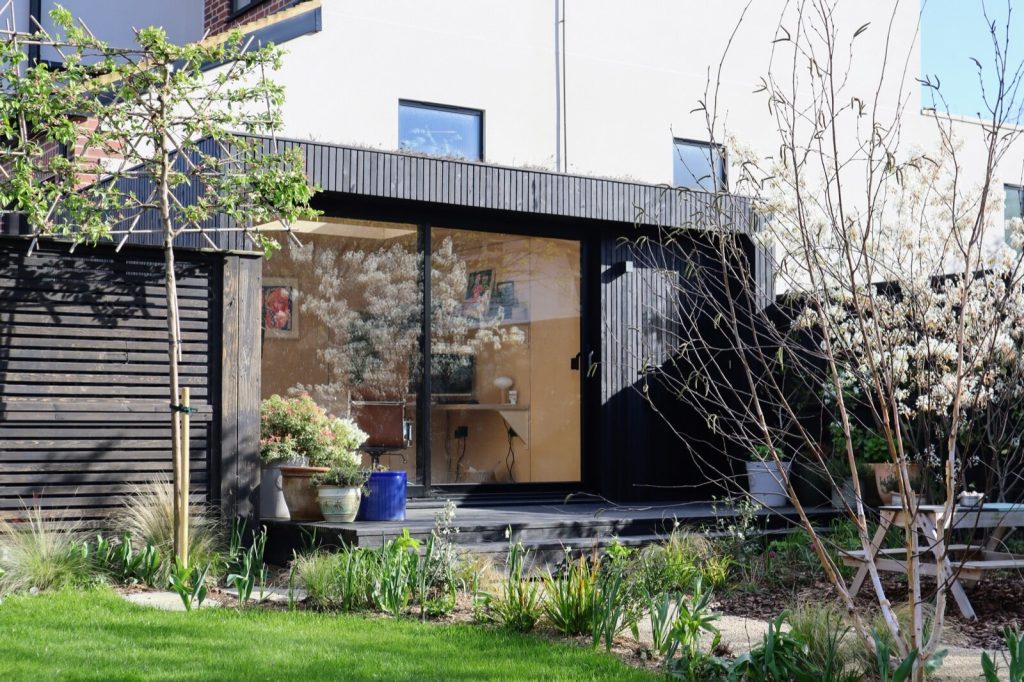
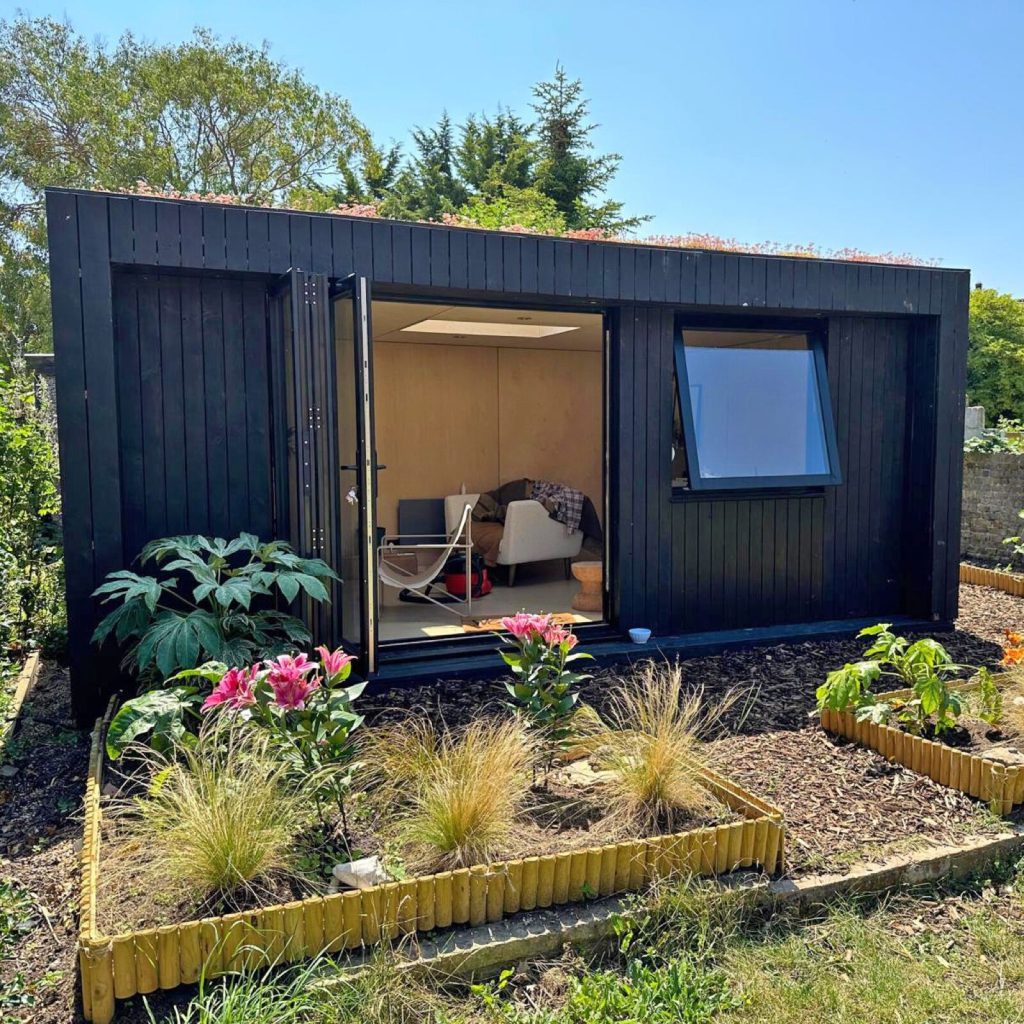
Transform your outdoor space into a versatile haven with an L shaped garden room that maximizes both style and functionality – discover the expert secrets to getting it right. Understanding L Shaped Garden Rooms L shaped garden rooms represent a revolutionary approach to outdoor living spaces, combining architectural innovation with practical functionality. These distinctive structures, characterised by their two wings forming a 90-degree angle, have seen a remarkable 35% increase in popularity among UK homeowners since 2022. The unique configuration offers unparalleled versatility, effectively creating two distinct spaces while maintaining a cohesive design. Unlike traditional garden rooms, L shaped designs make excellent use of corner plots and awkward spaces, transforming them into valuable living areas. The design’s inherent flexibility allows for natural zoning, making it ideal for those seeking to incorporate multiple functions within a single structure. Planning Your L Shaped Layout Successful L shaped garden room design begins with thoughtful layout planning. The key lies in understanding how to maximize the unique advantages of the L configuration while addressing potential challenges. Consider the following essential factors: Orientation: Position the structure to maximize natural light and views while maintaining privacy Proportions: Aim for balanced wing lengths – typically a ratio of 60:40 works well Access points: Plan multiple entry points to ensure smooth flow between zones Garden integration: Consider how the structure will interact with existing landscaping Future flexibility: Design spaces that can adapt to changing needs over time Designing for Natural Light Optimizing natural light is crucial in L shaped garden rooms, particularly at the junction where the two wings meet. Recent architectural studies show that strategic glazing can increase natural light levels by up to 40%. Consider incorporating floor-to-ceiling windows, skylights, and sliding glass doors to create bright, welcoming spaces. Position larger windows on south-facing walls where possible, while using smaller, strategically placed windows on north-facing aspects. The corner junction presents an excellent opportunity for a dramatic glazed feature, creating a stunning focal point while flooding both wings with natural light. Creating Distinct Zones One of the primary advantages of L shaped garden rooms is the natural separation of space into distinct functional areas. The key is to maintain a sense of flow while clearly defining different zones: Use furniture arrangement to create natural boundaries Implement different flooring materials or patterns to delineate spaces Install partial walls or sliding partitions for flexible separation Consider ceiling height variations to define different areas Incorporate built-in features that support specific functions Material Selection and Construction Choosing appropriate materials is crucial for both aesthetics and longevity. Contemporary L shaped garden rooms typically incorporate a mix of traditional and modern materials. Western Red Cedar and treated softwood remain popular choices for exterior cladding, offering natural beauty and durability. Aluminium frames for windows and doors provide slim sightlines and excellent weather resistance. For construction, engineered timber frames offer superior stability and thermal performance. Consider sustainable options like recycled composite materials, which have seen a 25% increase in usage over the past year. Optimizing the Corner Junction The corner junction represents both a challenge and an opportunity in L shaped garden room design. This crucial area requires careful consideration to ensure structural integrity while maximizing its potential: Install corner glazing to create a seamless transition between wings Consider a chamfered or curved corner for a softer aesthetic Incorporate built-in storage or seating to utilize awkward angles Use structural posts as design features rather than hiding them Climate Control and Insulation Maintaining comfortable temperatures year-round requires comprehensive climate control solutions. Modern L shaped garden rooms should achieve a minimum U-value of 0.28 W/m²K for optimal thermal efficiency. Implement a multi-layered approach to insulation, incorporating high-performance materials in walls, floors, and ceilings. Smart climate control systems can reduce energy consumption by up to 30% when compared to traditional heating and cooling methods. Consider underfloor heating for consistent warmth and air conditioning units strategically placed to serve both wings effectively. Storage Solutions and Space Efficiency Maximizing space efficiency in an L shaped garden room requires innovative storage solutions. Consider these practical approaches: Built-in cabinets along interior walls Under-window storage benches Vertical storage systems for maximum space utilization Multi-functional furniture with hidden storage Corner units designed specifically for the junction point Design Features and Finishing Touches The finishing touches can transform a good L shaped garden room into an exceptional one. Focus on creating a cohesive design that flows naturally between both wings while maintaining distinct character in each zone. Consider incorporating biophilic design elements to connect with the garden setting, using natural materials and plenty of plants. Recent trends show that 70% of garden room owners prefer a mix of contemporary and traditional finishing elements. Pay particular attention to lighting design, using a combination of task, ambient, and accent lighting to create atmosphere and functionality. Professional Installation and Planning Permission While L shaped garden rooms often fall within permitted development rights, their unique configuration requires careful consideration of planning regulations. Approximately 85% of L shaped garden rooms can be installed without full planning permission, but it’s essential to check local authority guidelines, particularly regarding height restrictions and proximity to boundaries. Professional installation is crucial for ensuring structural integrity and proper integration of services. Choose a contractor with specific experience in L shaped designs and request references for similar projects. Making Your Investment Count An L shaped garden room represents a significant investment in your property, with potential returns of up to 1.5 times the initial cost when professionally designed and installed. Focus on quality materials and construction to ensure longevity and maintain value. Consider future-proofing your design by incorporating flexible spaces that can adapt to changing needs. Regular maintenance and updates to technology and insulation will help preserve both functionality and value. Remember that the unique design of an L shaped garden room can add significant appeal to potential buyers, making it a worthwhile investment in your property’s future. FAQ Do you need to dig foundations for a garden room? In almost every garden room build you
How to Design the Perfect L Shaped Garden Room: The Complete Homeowner’s Guide Read More »