

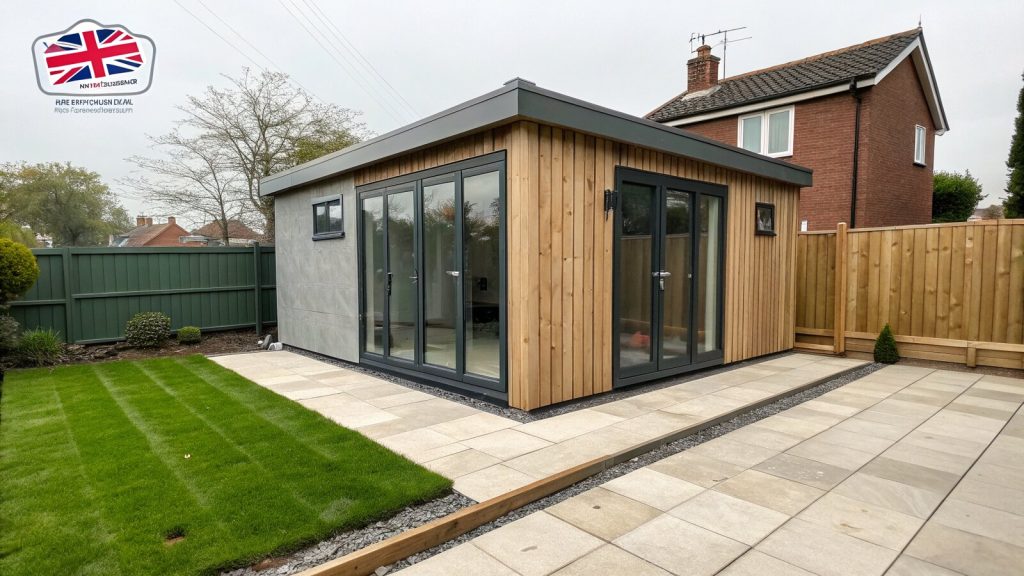
If you are asking how much does a garden room cost in the UK, the honest answer for 2026 is a wide range: from roughly £8,000 for a small budget pod to £60,000 or more for a large premium room with a bathroom. Most buyers who want a properly insulated, year-round office land somewhere between £18,000 and £35,000 once foundations, electrics and installation are included. The figure that ends up on your invoice depends far more on specification and groundwork than on the headline price of the structure itself, which is why two rooms of the same footprint can differ by £15,000.
This guide breaks the total project cost down by size and spec, explains what is and is not usually included in a quote, and flags the cost drivers that catch people out. Prices below are realistic ranges including VAT and standard installation, not single named-product figures. For more buying guidance across the category, see the Best Garden Room homepage.
Garden room cost by size and spec in 2026
The cleanest way to budget is by build tier rather than by a single average, because “garden room” covers everything from a basic summerhouse-style pod to a fully plastered, building-regs-grade office. Treat these as total-project ranges for a supplied-and-fitted room in England.
Entry and budget: £8,000 to £18,000
This tier covers smaller pods and lightly insulated rooms, typically up to around 10 square metres. You get a weatherproof structure, basic insulation, double glazing and a simple electrical hook-up. It suits a hobby space, gym or seasonal retreat more than a year-round office. Budget builds often use lighter foundations and thinner wall systems, so they hold their warmth poorly and become expensive to heat through a cold winter.
Mid range: £18,000 to £35,000
This is where most garden offices sit. Expect a fully insulated floor, walls and roof, a plastered and painted interior, certified electrics with multiple sockets and lighting, quality glazing and a 10 to 15 square metre footprint. Rooms in this bracket are genuinely usable in January as well as July, which is the main reason people pay more than the budget tier.
Premium and bespoke: £35,000 to £60,000+
Larger footprints (15 square metres and up), architect-style designs, aluminium or large-span glazing, cladding such as cedar or composite, underfloor heating, and rooms split into multiple zones all push you into this band. A garden room with a bathroom or kitchenette also sits here once plumbing and drainage are added.
Cost per square metre as a sense check
As a rough guide, a professionally built insulated garden room works out at around £1,800 to £2,800 per square metre in 2026, with premium specifications pushing higher and self-build or kit routes lower. Use this only to sanity-check a quote, not to size your budget, because the fixed costs of foundations, delivery and connection do not scale neatly with floor area. A small room carries those fixed costs over fewer square metres, so its per-metre figure looks high even when the total is modest.
What drives the price up or down
Once you have a ballpark from the tier above, these are the variables that move it. Understanding them is the difference between a quote you can trust and a number that balloons later.
- Size and footprint: the single biggest lever. More floor area means more materials, more glazing and a bigger base.
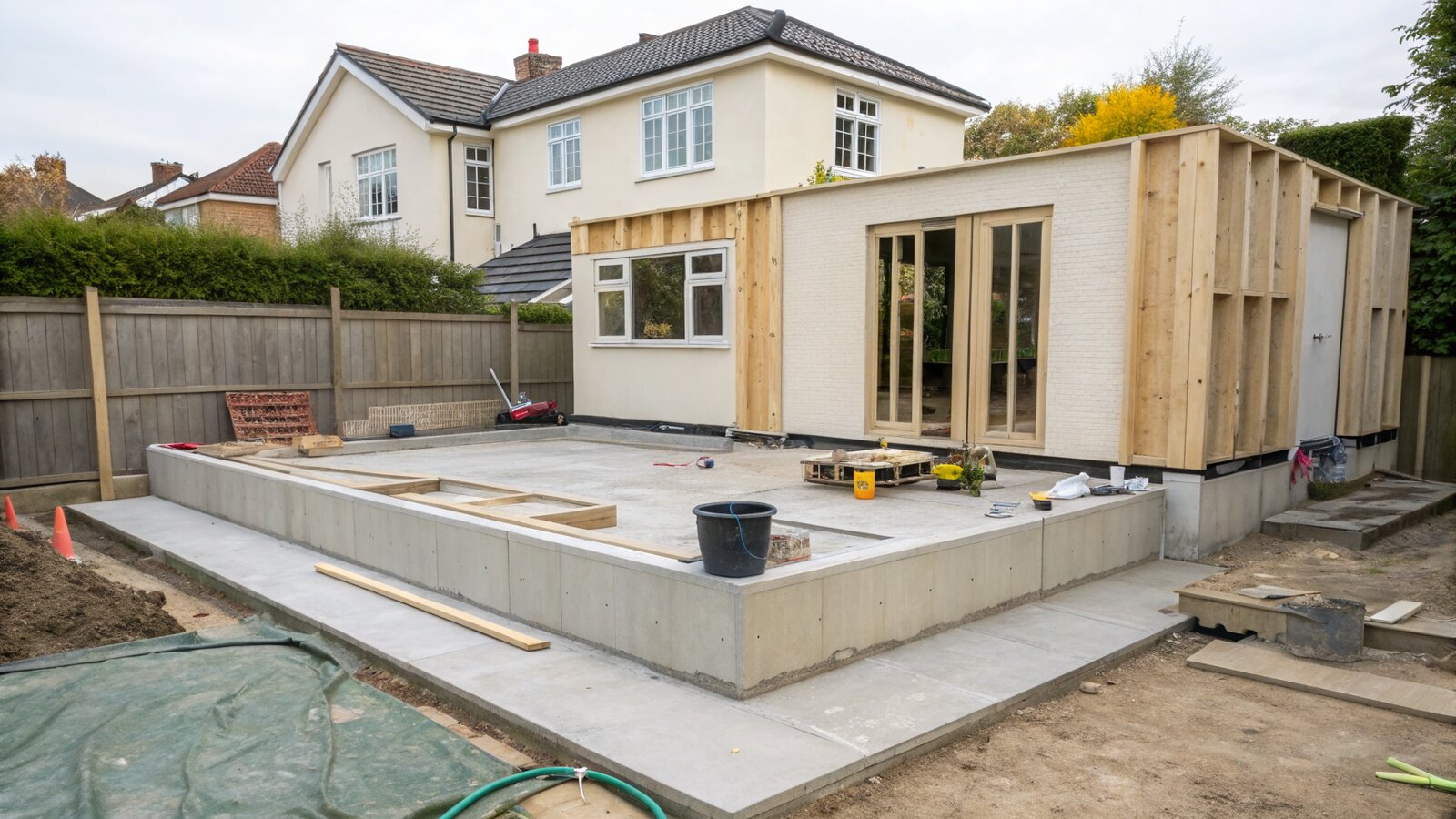
- Foundations and groundwork: a concrete pad, steel pile or ground-screw base typically adds £1,500 to £5,000 depending on ground conditions, slope and access. Sloping or waterlogged plots cost more. This is frequently quoted separately, or excluded entirely.
- Insulation and spec for year-round use: a fully insulated room costs more upfront but is what makes it usable all year. Upgrading from minimal to full insulation can add a few thousand pounds, and earns it back in lower heating bills.
- Glazing: standard double-glazed units are far cheaper than large aluminium sliding doors or floor-to-ceiling panels. Glass is one of the easiest places to overspend.
- Electrics: a dedicated armoured supply run from your consumer unit, sockets, lighting and data adds cost, and any new circuit out to the room is notifiable under Part P of the Building Regulations, so it must be certified by a registered electrician or signed off by building control.
- Plumbing for a bathroom or kitchenette: adding a toilet, shower or sink means a buried water feed and drainage connection, usually adding several thousand pounds and almost always triggering building control involvement.
- Cladding and finishes: cedar, composite or render cost more than basic timber or render board; internal joinery, flooring and built-in storage all add up.
What is and is not included in a quote
Headline prices in adverts are often for the structure only. Before you compare two quotes, check exactly what each one covers. The common exclusions that turn a £25,000 room into a £33,000 project are:
- Foundations and site preparation, including clearing or levelling the ground.
- The electrical supply from your house to the room. Some quotes include internal electrics but not the trench and cable run.
- VAT, where a price is shown excluding the 20% rate.
- Delivery and crane or access charges if the room cannot be carried through to the garden easily.
- Planning or building control fees where they apply.
- Decoration, flooring, blinds and furniture beyond a basic finish.
A genuinely useful quote spells these out line by line. If a price looks notably cheaper than rivals, the foundations or the supply run are usually the missing pieces.
Delivery, installation and timescales
For most off-site manufactured rooms, delivery and installation are bundled into the price and take roughly one to three weeks on site once the base is ready. Bespoke timber-frame builds constructed in your garden take longer. Difficult access, meaning no side gate, a long carry, or a need to crane panels over the house, is the most common reason for an extra charge, so flag your access constraints early and get the cost confirmed in writing.
Planning permission and building regulations: when they add cost
Most garden rooms in England are built under permitted development and need no planning application, but the rules have firm limits. Under permitted development an outbuilding must be single storey, must not sit forward of the principal elevation of the house, and the total area covered by outbuildings must not exceed 50% of the land around the original house. Maximum overall height is 4 metres for a dual-pitched roof or 3 metres for any other roof, dropping to 2.5 metres if the room is within 2 metres of a boundary. Conservation areas, National Parks, Areas of Outstanding Natural Beauty and the curtilage of listed buildings have tighter rules and often need an application. Confirm your own position on the Planning Portal outbuildings guidance.
Building regulations are separate from planning. A room with a floor area under 15 square metres and no sleeping accommodation generally does not need building regulations approval. Between 15 and 30 square metres, approval is usually not required provided there is no sleeping accommodation and the room is either at least 1 metre from any boundary or built substantially from non-combustible materials. Add a bathroom, a kitchen or any overnight sleeping use and building regulations almost always apply, which brings drainage, ventilation, fire safety and energy standards into scope, plus the associated fees. These approvals are a real but usually modest line item against the total; the bigger cost they signal is the higher-spec build that triggered them.
Ongoing running costs at a glance
A well-insulated garden office is cheap to run for the hours you actually use it. Typical electricity for lighting, a laptop and occasional heating runs around £10 to £50 a month, rising for heavy winter heating or if the room is poorly insulated. The heating system matters: efficient infrared panels or a modern electric radiator used only when the room is occupied cost far less than running underfloor heating around the clock. Insulation is the lever that controls all of this, which is why paying more upfront for a year-round spec usually pays back over the life of the room. Budget separately for buildings or contents insurance, which most insurers will add to your home policy for a small premium.
Frequently asked questions
How much does a garden room cost on average in 2026?
For a properly insulated, year-round garden office of around 10 to 15 square metres, most UK buyers spend between £18,000 and £35,000 including foundations, electrics, VAT and installation. Smaller budget pods start nearer £8,000, while large premium rooms with bathrooms can pass £60,000.
Why are some garden room quotes so much cheaper?
Cheaper quotes usually exclude foundations, the electrical supply run from your house, VAT or delivery access charges. Always compare what each quote includes line by line; the structure alone is only part of the total project cost.
How much does a garden room with a bathroom cost?
Adding a toilet and shower typically pushes the total to the upper end of the market, often £35,000 and above, because of the buried water feed, drainage connection and the building regulations work that plumbing triggers. The added plumbing and drainage alone commonly run into several thousand pounds.
Do I need planning permission for a garden room?
Often no, because most garden rooms are built under permitted development. You must stay within the height, position and 50% curtilage limits, and designated land such as conservation areas and the curtilage of listed buildings has stricter rules. Check your specific situation on the Planning Portal before ordering.
How much does it cost to run a garden office each month?
Expect roughly £10 to £50 a month for electricity in a well-insulated room, depending on how much you heat it. Good insulation and a heater used only when the room is occupied keep running costs low.
Does a garden room add value to my home?
A well-built, insulated garden room used as an office or extra living space is generally seen as a desirable feature by buyers, though the exact effect on resale value depends on your local market, the build quality and whether it was constructed within planning and building rules.
Related guides
- Garden Room Planning Permission UK: The 30m² and 50% Rules Explained
- How Much Does a Garden Room Cost to Run in Winter? Real UK Figures
- Garden Room vs Extension: Honest Cost, Value and When Each Wins
- How Much Does It Cost to Run Electrics to a Garden Room in 2026?
- Ground Screws vs Concrete Base: Which Garden Room Foundation Is Right for You?
- Do Garden Rooms Need Building Regulations? The 15, 30 and 1m Rules Explained
- Prefab vs Bespoke Garden Rooms: Which Is Right for You?
- Garden Room Buying Mistakes: 12 Costly Errors to Avoid
- Garden Room News: June 2026
- How to Buy a Garden Room: The Complete UK Buyer’s Guide (2026)
- What to Look for in a Garden Room: 15 Things to Check Before You Buy
- Buying a Second-Hand Garden Room: Is It Worth It?
- Garden Room Kits vs Fully Installed: Should You Self-Build or Buy Turnkey?
- Garden Room Deposits, Contracts and Deliverables: Protecting Your Money
- How Long Does a Garden Room Last? Lifespan and Maintenance
- Garden Room Cost Per Square Metre: 2026 UK Rates Explained
- Garden Room Prices by Size: From 3x3m to 8x4m and Beyond
- How Much Does a Garden Office Cost? (2026 UK Breakdown)
- Garden Room Planning News: Late June 2026
- How Much Does a Garden Room with a Bathroom Cost?
- Hidden Garden Room Costs: Foundations, VAT and the Extras Quotes Miss
- Garden Room Finance: Loans, Mortgages and Payment Options Explained
- Garden Room News: Early July 2026
- Do Garden Rooms Add Value to Your House? What the UK Resale Data Shows
- Permitted Development Rights for Garden Rooms: Size, Height and the 2m Boundary Rule
- Do Garden Rooms Affect Council Tax? Business Rates and Reassessment
- Garden Room News: Mid-July 2026
- How a Garden Room Is Built: Foundations to Finish (UK Guide)
- SIPs vs Timber Frame Garden Rooms: Which Construction Is Better?
- How Close to a Boundary Can a Garden Room Be? UK Rules Explained
- How to Apply for Garden Room Planning Permission: Step by Step
- Can You Build a Garden Room on Decking, Slabs or a Patio?
- Is a Garden Room Cheaper Than an Extension? 2026 Cost Comparison
- Garden Room News: Mid-July 2026
- Garden Room Cladding: Cedar vs Composite vs Larch vs Render
- Garden Room Roof Guide: Flat vs Pitched and the Best Materials
- Garden Room Windows and Doors: Bifold, Sliding and Glazing
- How to Build a Garden Room: A DIY Step-by-Step Guide (UK)
- How Long Does It Take to Build a Garden Room?
- How to Make a Garden Room Usable All Year Round
- Garden Room Insulation: Best Materials and U-Values for the UK
- How to Heat a Garden Room: 9 Options Compared by Cost and Warmth
- Best Heating for a Garden Office: Warm Without a Huge Bill
- Air Conditioning for Garden Rooms: Cooling and Heating in One
- Stopping Condensation and Damp in a Garden Room (UK Guide)
- How to Get Wi-Fi in a Garden Office: 6 Ways That Actually Work
- Garden Office Ideas: Designing the Perfect Work-From-Home Space
- Garden Room Ideas: 20 Popular Uses to Inspire Your Build
- Garden Room Annexe: Rules, Costs and How to Build One
- Garden Bar Ideas: The Height Rules, Power and Layout
- Garden Room Business: What Changes Once Clients Visit
- Garden Studio Ideas: Sizes, Light and the 2.5m Rule
- Garden Room Lighting: IP20 Inside, IP65 Out, Part P Rules
- Landscaping Around a Garden Room: the 30cm Decking Trap
- Garden Room Design: Why 2.5m Decides Everything
- Garden Room Planning Permission: the 2.5m Boundary Rule
- Garden Room News: New NPPF Lands, PD Rules Unchanged
- Garden Saunas UK: Planning, Building Regs and Electrics
- Best Garden Room Companies UK: Guarantees of 10 to 25 Years
- Garden Room Electrics: The Rules Change on 15 Oct 2026
- Golf Simulator Garden Room: The 2.5m Rule That Stops It
- Garden Screens: the 2m Rule, and Why Trellis Counts
- Cheap Garden Rooms: What 19mm Walls Really Get You
- Green Retreats Review: 12-Year Cover, 60% Upfront
- Booths Garden Studios Review: Steel Build, 25 Years
- Eden Garden Rooms Review: £23,500 Start, 10-Year Cover
- Green Retreats vs Booths: 25-Year Steel or Timber?
- Garden Rooms London: 6 Companies and the 2.5m Limit
- Garden Room Bedroom: Why a Bed Changes the Rules
- Do I Need Planning Permission for a Garden Shed? Usually Not
- Garden Room News: Staged Payments Arrive, Timber Stays Dear
- Garden Gym Ideas: Sizes, Ceilings and the 2.5m Height Rule
- Garden Gazebo Rules: 2.5m Near a Boundary, 4m Max
- Garden Arch: Wood or Metal, and the 2.7m Height Rule
- Garden Arbour: Sizes That Seat Two, and Wood vs Metal
- Wooden Garden Gates: Sizes, UC4 Posts and the 1m Rule
- Garden Room News: Rates Held, Materials Up 5.9%
- Summer House Interior Ideas: 9 That Work in Winter
- Garden Trellis Panels: the 2m Rule Most Buyers Miss
- Garden Shelters: Six Types and When You Need Permission
- Garden Greenhouses: Glass Gives 90% Light, Plastic 80%
- Summer House Doors and Windows: 4mm Toughened or Styrene?
- Log Stores: Size, Siting and the 20% Moisture Rule